



SIGHTINGS 2025-2027
Decorum
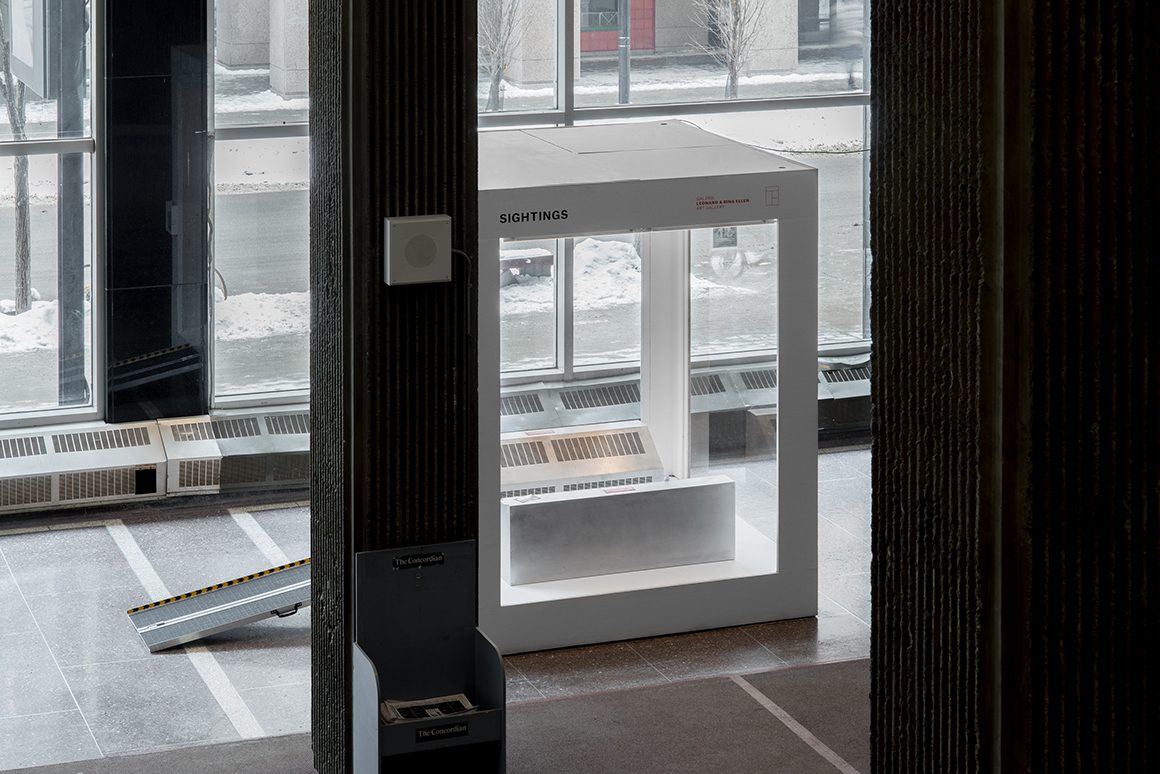
Launched in 2012 in celebration of the 50th anniversary of the Leonard & Bina Ellen Art Gallery’s Permanent Collection, the SIGHTINGS satellite exhibition program was conceived as an experimental platform to critically reflect upon the possibilities and limitations of the modernist “white cube.” As part of this program, artists and curators are invited to develop projects for a cubic display unit located in a public space at the university, with the aim of generating new strategies for art dissemination.
The 2025-2027 SIGHTINGS cycle, Decorum, engages with the emancipatory histories of Concordia University’s Henry F. Hall Building. Since its inauguration in 1966, the building has been a key site for student activism—from the 1967 lobby sleep-in protest against high textbook prices, where 150 students camped in the lobby, to the landmark 1969 Sir George Williams Affair, marked by a multi-day occupation of the 9th-floor Computer Centre by students and demonstrators to denounce racist grading practices. Originally conceived as a central hub for the downtown student body, the Hall Building remains a space where students gravitate to exchange ideas, mobilize and make their voices heard. The projects presented in SIGHTINGS build on this legacy, reflecting on the memory of protest embedded in institutions and their architecture.
SIGHTINGS is located on the ground floor of the Hall Building: 1455, blvd. De Maisonneuve West and is accessible weekdays and weekends from 7 am to 11 pm. The program is developed by Julia Eilers Smith.
A PLACE TO SIT
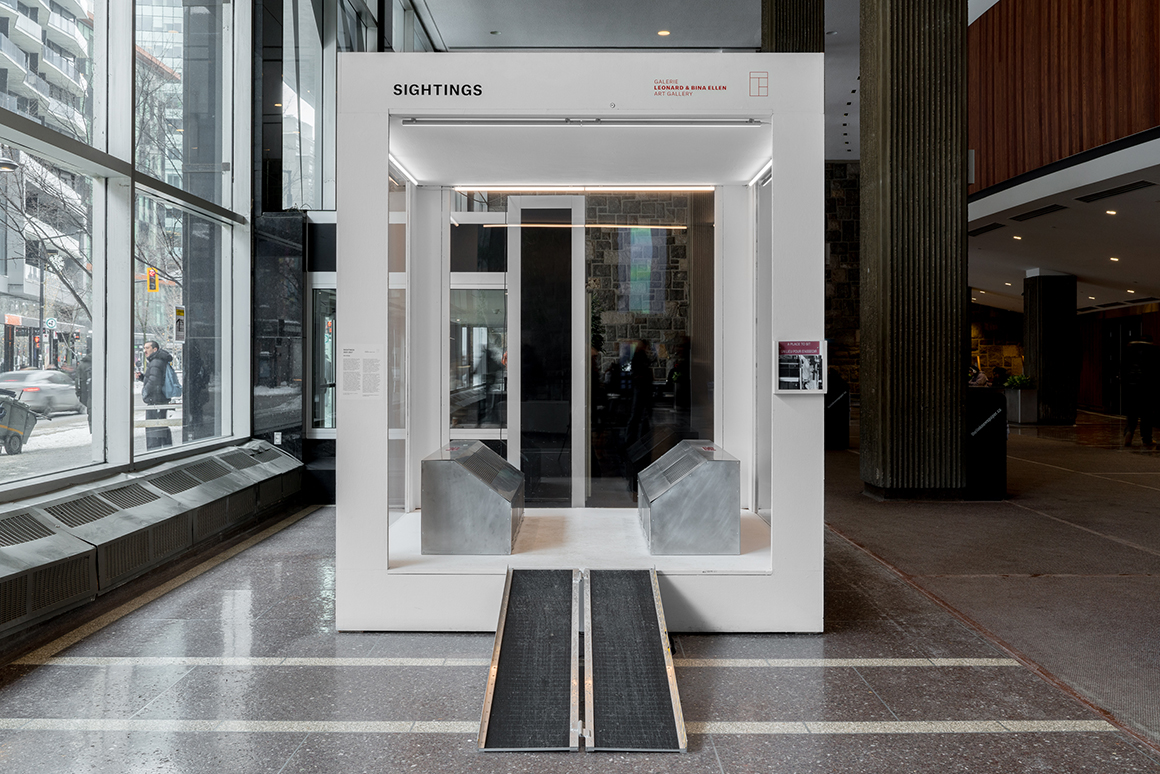

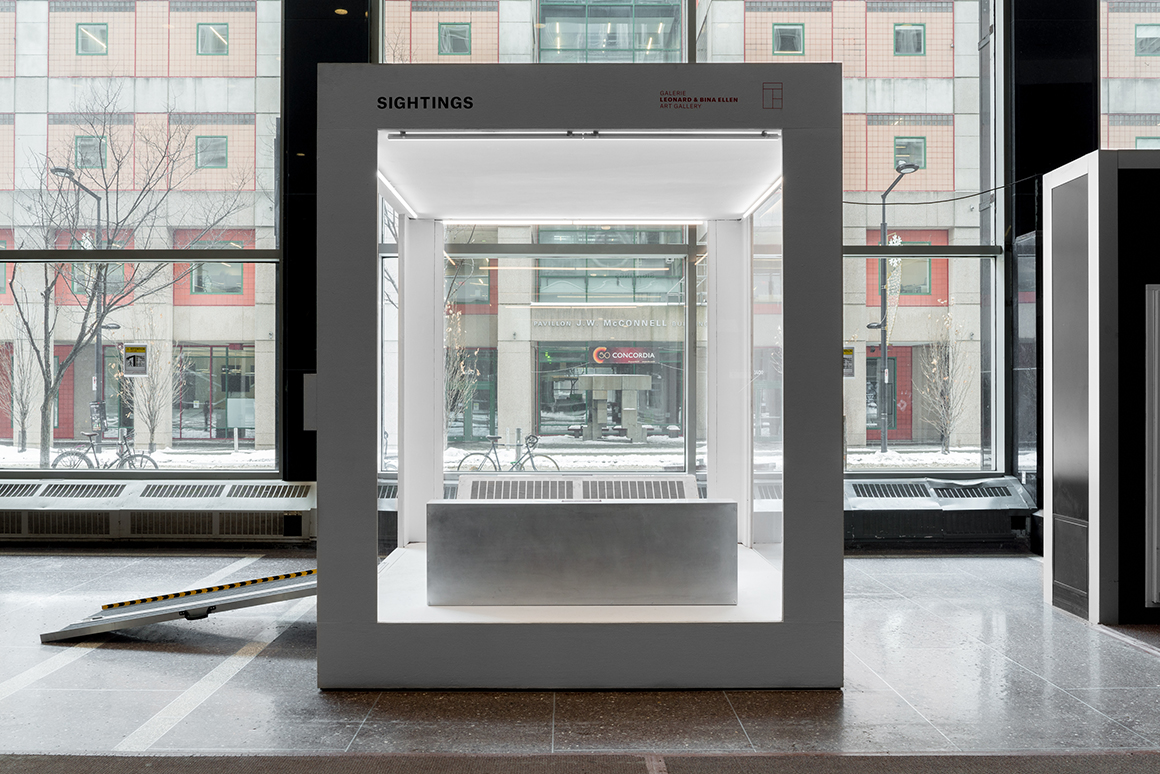
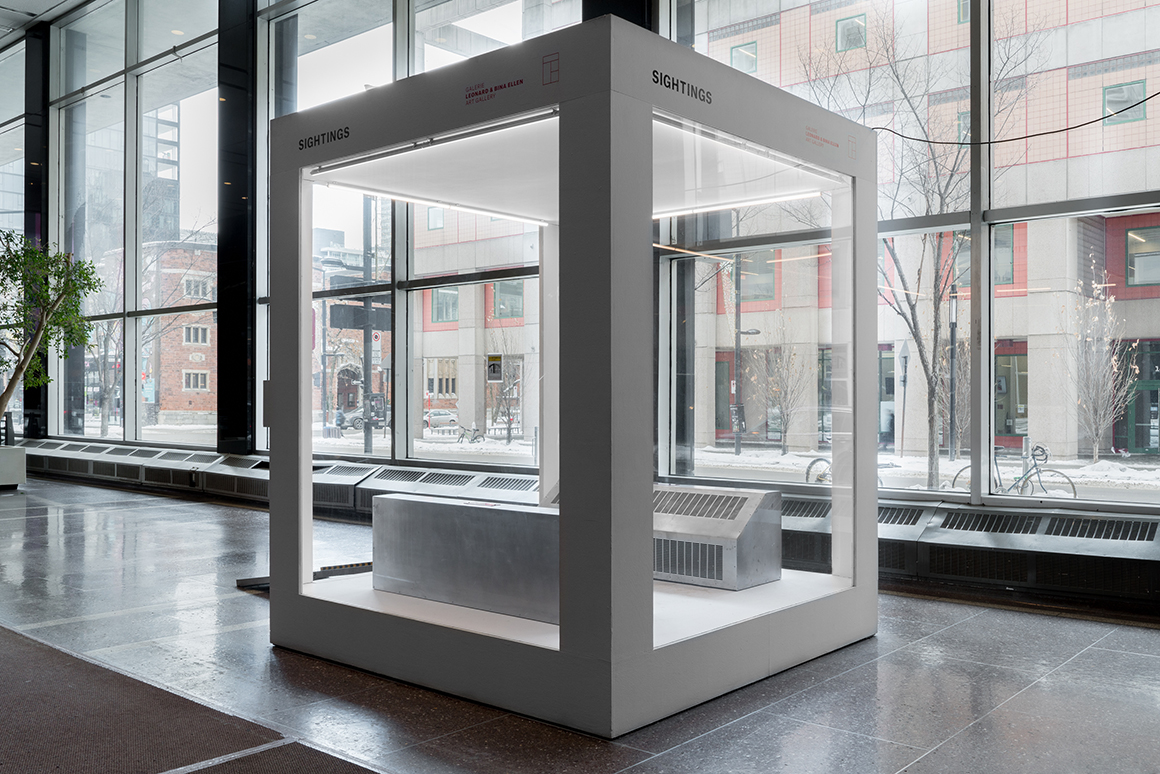
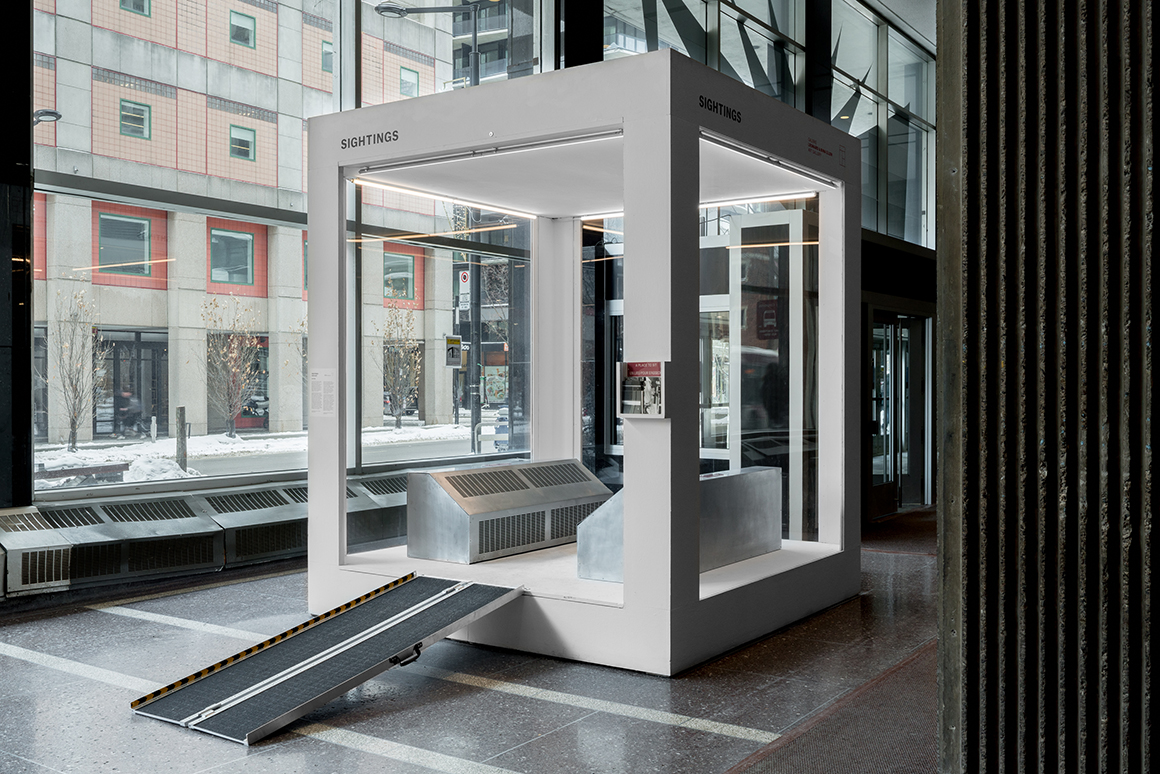
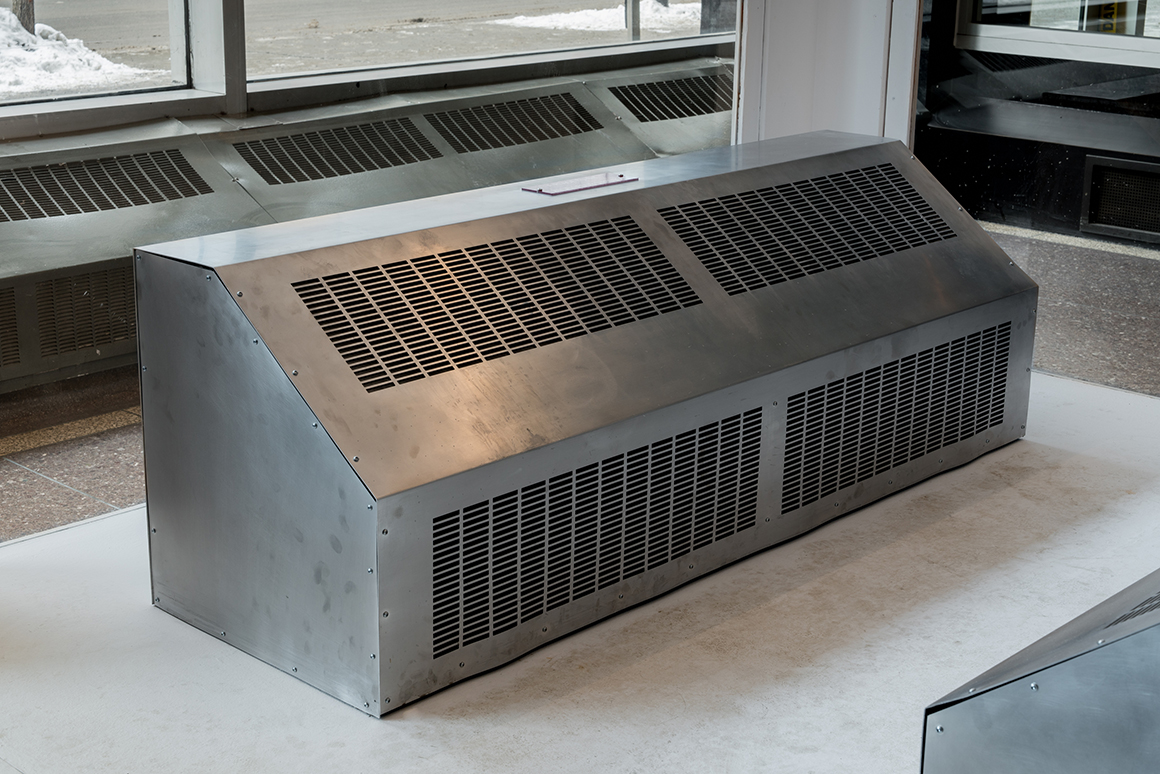
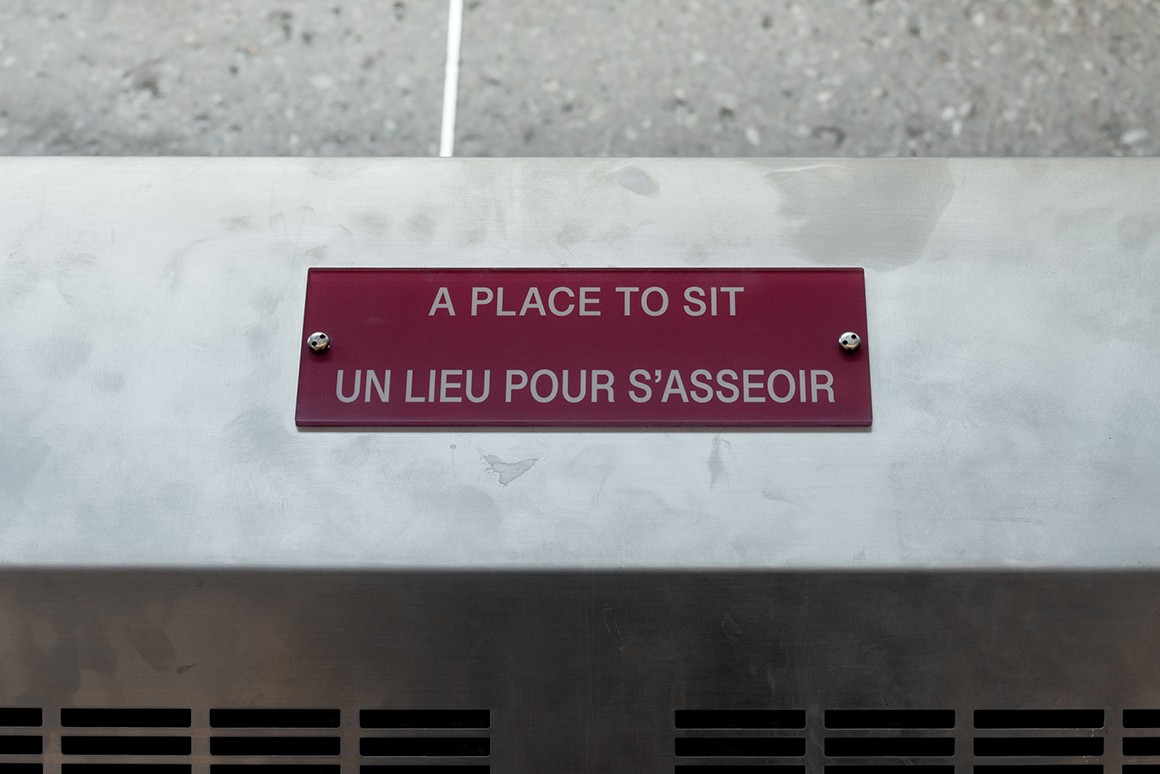
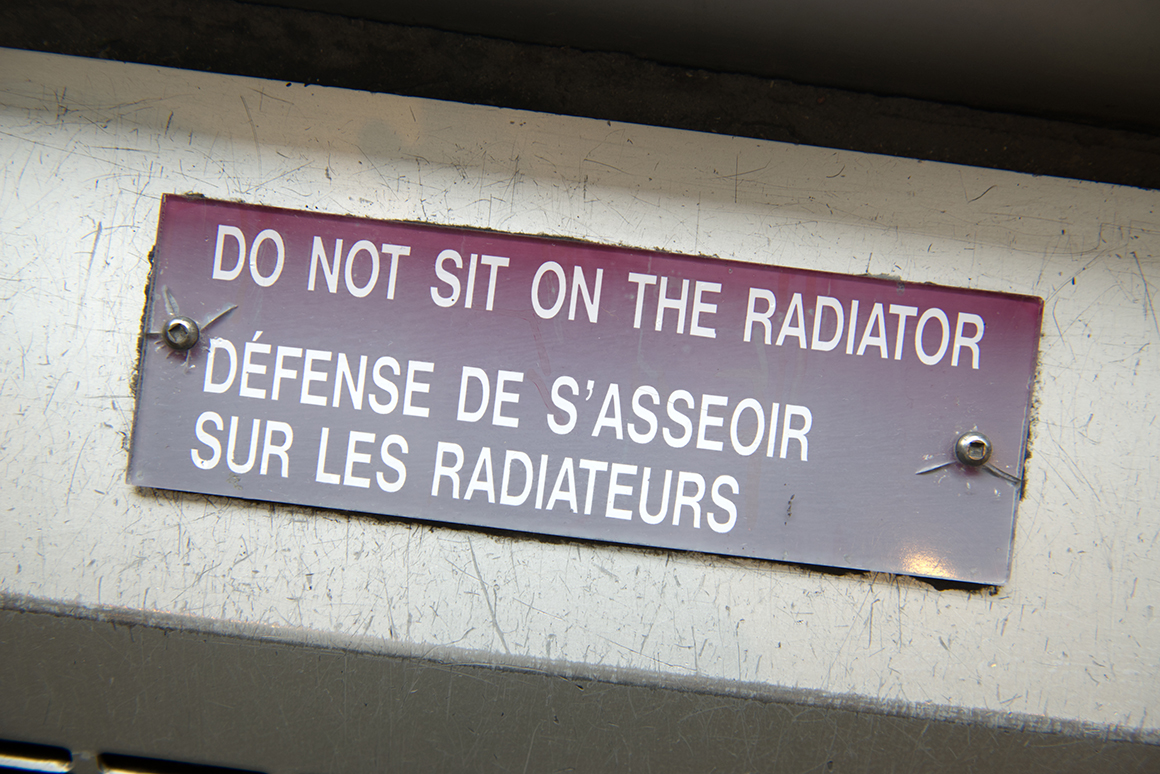


Marrying history, identity, and environment in their collective work, Philippe Battikha and Martín Rodríguez are interested in the détournement of social norms to steer towards unlikely engagements with those norms. Concerned by the fetishization of art objects, they are driven by the notions of dismantling and de-preciousizing, as a means by which to see and hear differently.
Battikha reoriented his music practice towards sculpture and installation, converting objects and spaces in order to draw attention to the impact and importance our environments play in our lives.
As a transmission and sound artist, Rodríguez’s work emerges from his Xicanx upbringing along the Arizona-Mexico border. He employs performance, intervention, and installation as a process for deciphering aural histories and entangled identities.
What happens when a door is left open to a place that is normally off limits?
Can I come in?
Should I stay?
Or
Should I go?
Marrying history, identity, and environment in their collective work, Philippe Battikha and Martín Rodríguez are interested in the détournement of social norms to steer towards unlikely engagements with those norms. Concerned by the fetishization of art objects, they are driven by the notions of dismantling and de-preciousizing, as a means by which to see and hear differently.
Battikha reoriented his music practice towards sculpture and installation, converting objects and spaces in order to draw attention to the impact and importance our environments play in our lives.
As a transmission and sound artist, Rodríguez’s work emerges from his Xicanx upbringing along the Arizona-Mexico border. He employs performance, intervention, and installation as a process for deciphering aural histories and entangled identities.
HALL BUILDING CLOSURE
May 4 to 9, 2026
The Henry F. Hall (H) Building will be fully closed from Monday, May 4 at 6 AM to Saturday, May 9 at 10 PM, due to planned electrical maintenance. The SIGHTINGS 46 project by artists Philippe Battikha and Martín Rodriguez will not be accessible to the public during that period.