





September 1 – December 5, 2026
Curator : Zoë Chan
Adapted for the LBEAG in collaboration with Nicole Burisch
With the participation of Derya Akay, Sara Angelucci, Dean Baldwin Lew, Patrick Cruz, Megan Kyak-Monteith, Ellie Kyungran Heo, Kosisochukwu Nnebe, Karen Tam, Tania Willard, Paul Wong, Marlene Yuen, and Shellie Zhang
Opening reception Thursday, September 10, 2026, 4:30–7:00 PM
Food and its diverse associated techniques, histories, and social interactions serve up a bottomless source of inspiration for artists. Indeed, food-related practices share significant parallels with art. As art historian Luce Giard compellingly argues in her essay “The Nourishing Arts,” the domestic processing of food is “a domain where tradition and innovation matter equally,” demanding “as much intelligence, imagination, and memory as those traditionally held as superior, such as music or weaving.”i
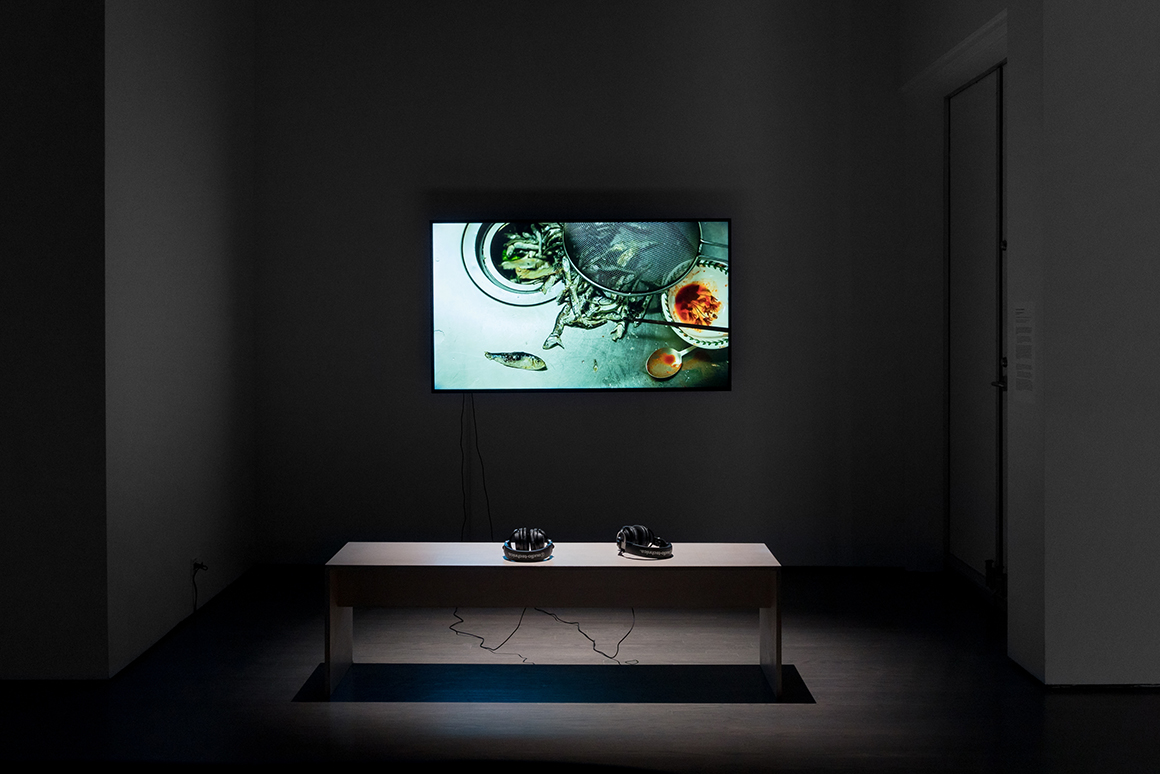
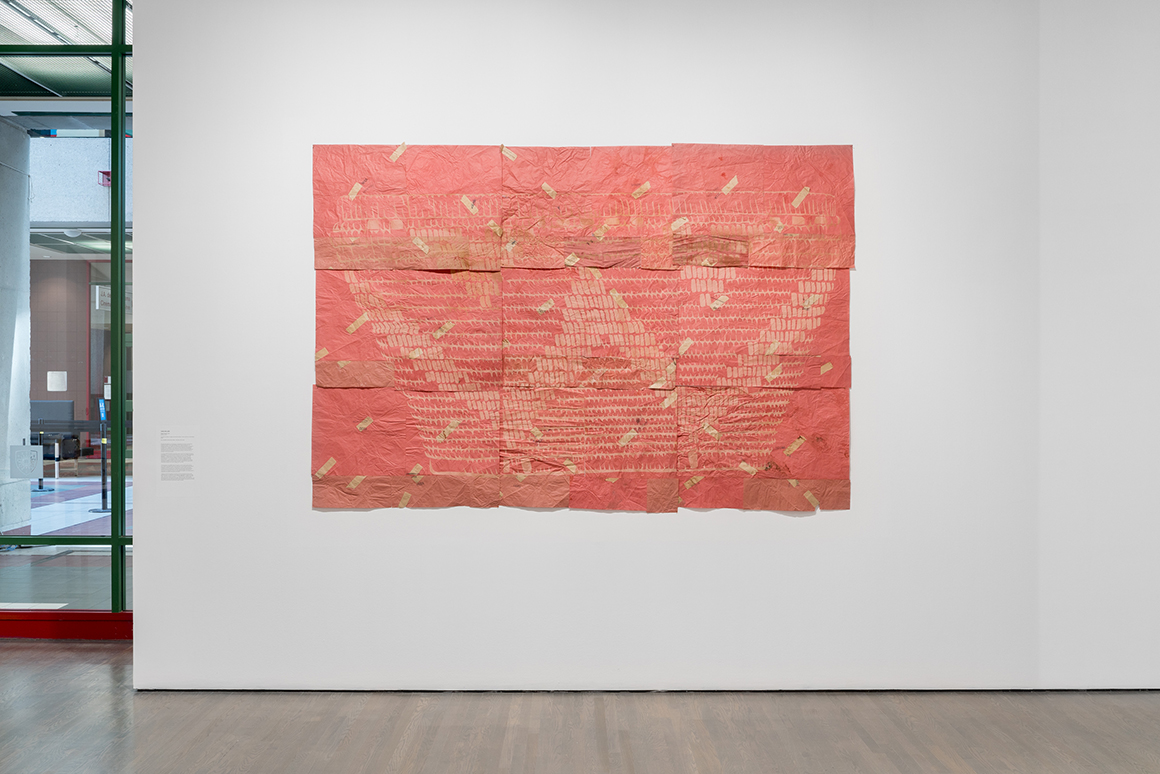
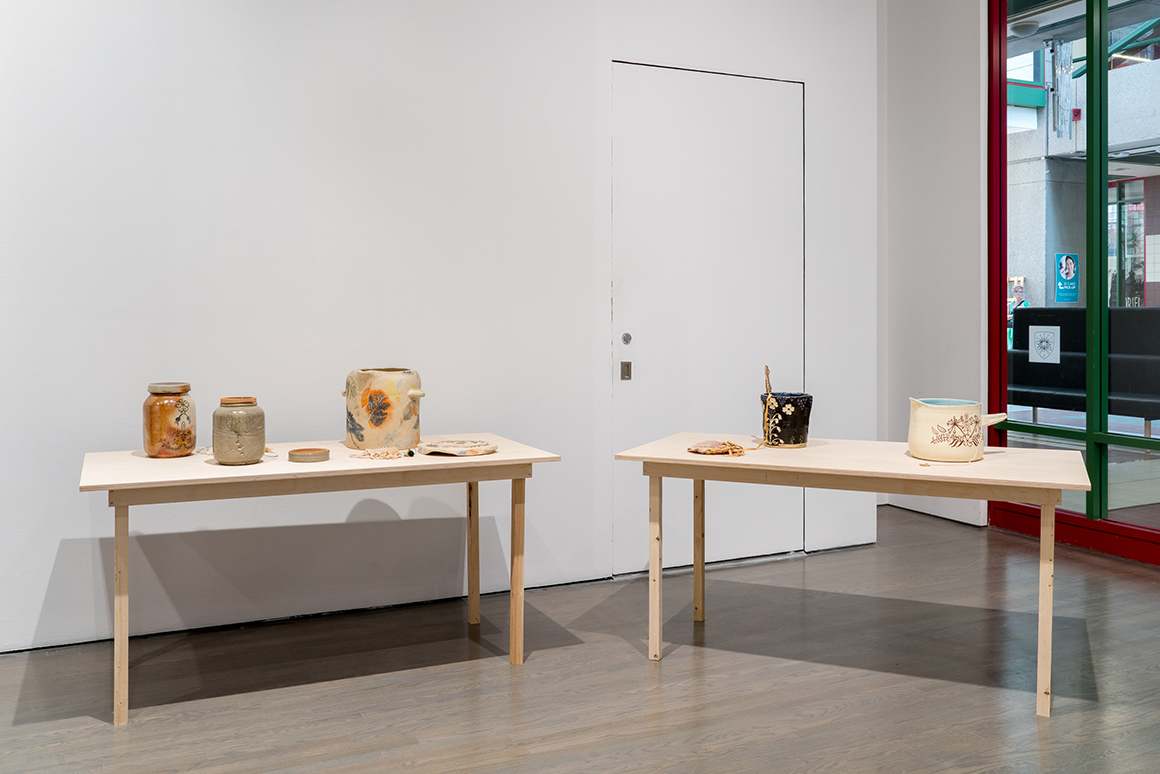
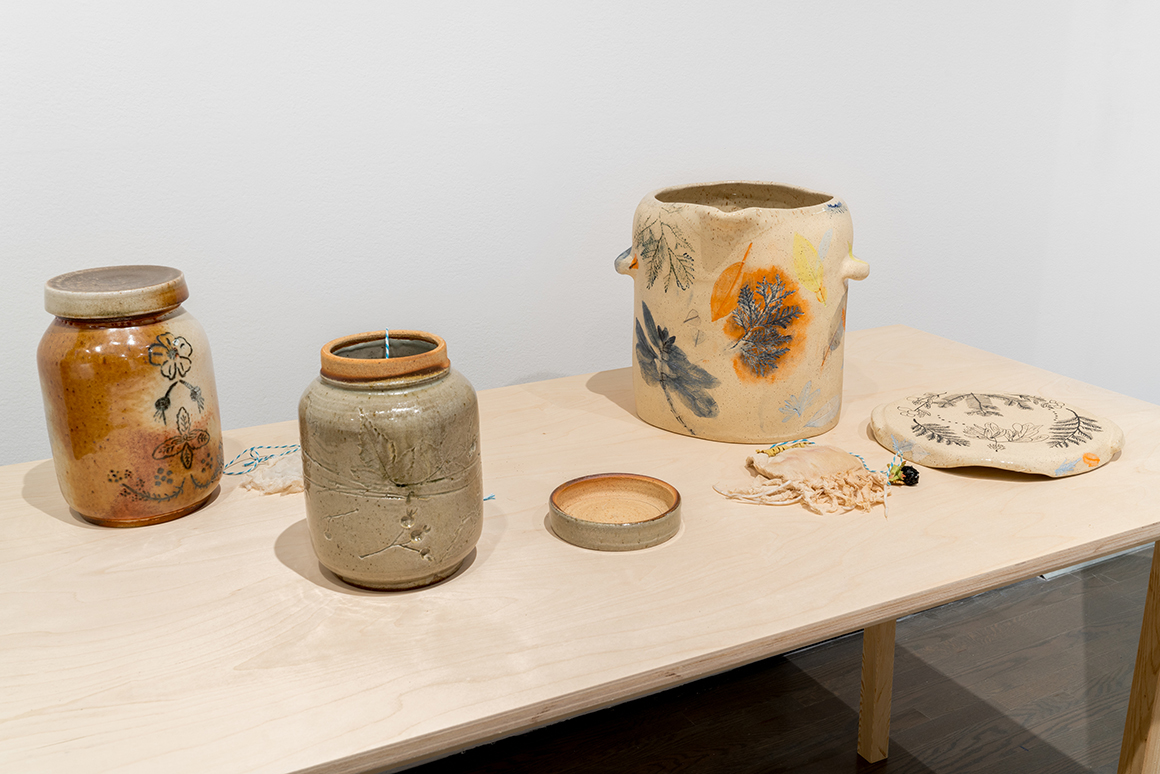
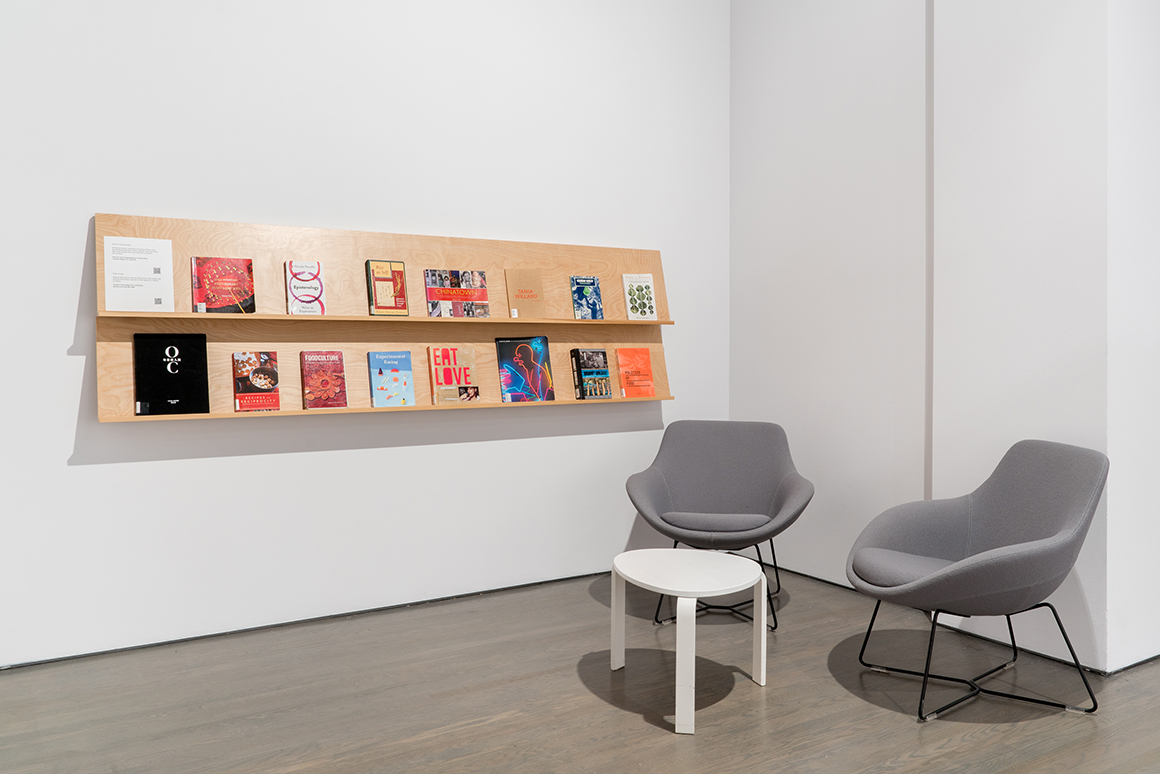
Unsurprisingly then, artists continue to delve into this rich subject matter, through multiple mediums. Showcasing artworks from the 2010s to the present, FOODWAYS focuses on a diverse selection of artists who explore food and food cultures, addressing a wide range of questions regarding cultural identity, personal narratives, community, and the transmission of knowledge. These layered artworks are often intersectional and embodied in nature, highlighting how ethnicity, culture, kinship, socio-economic status, geography, and colonialist histories percolate through practices linked to food and food culture.
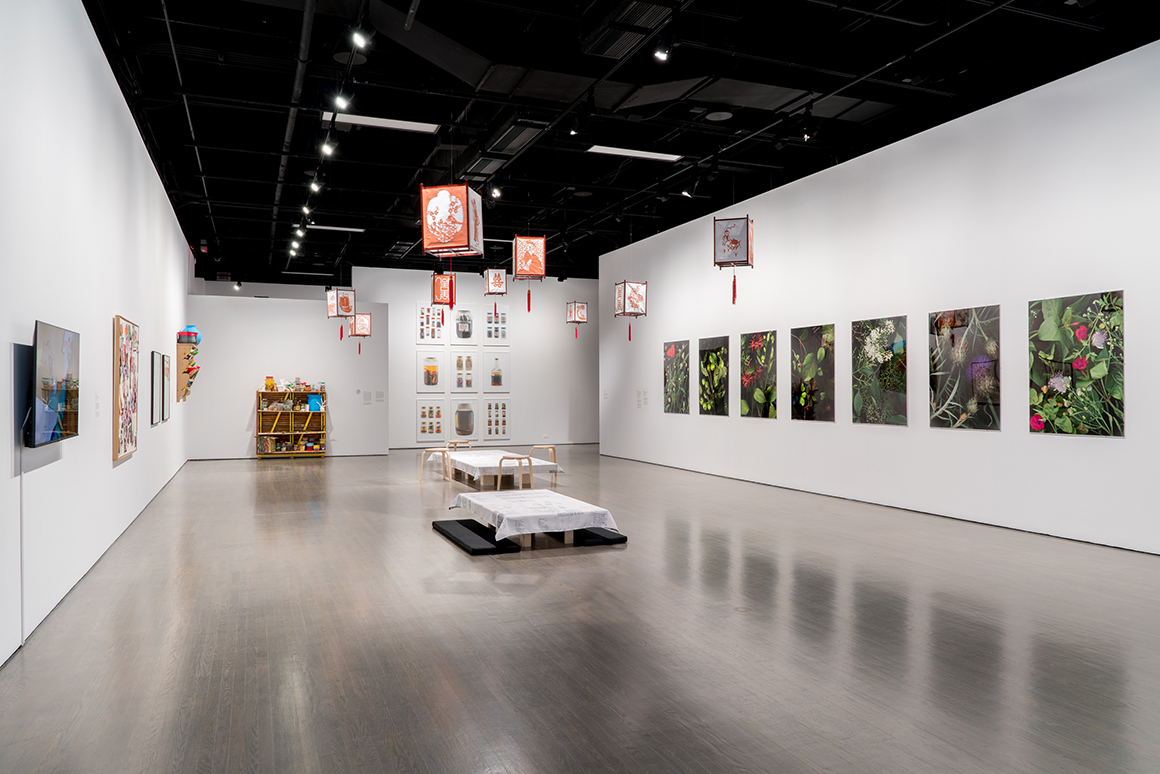
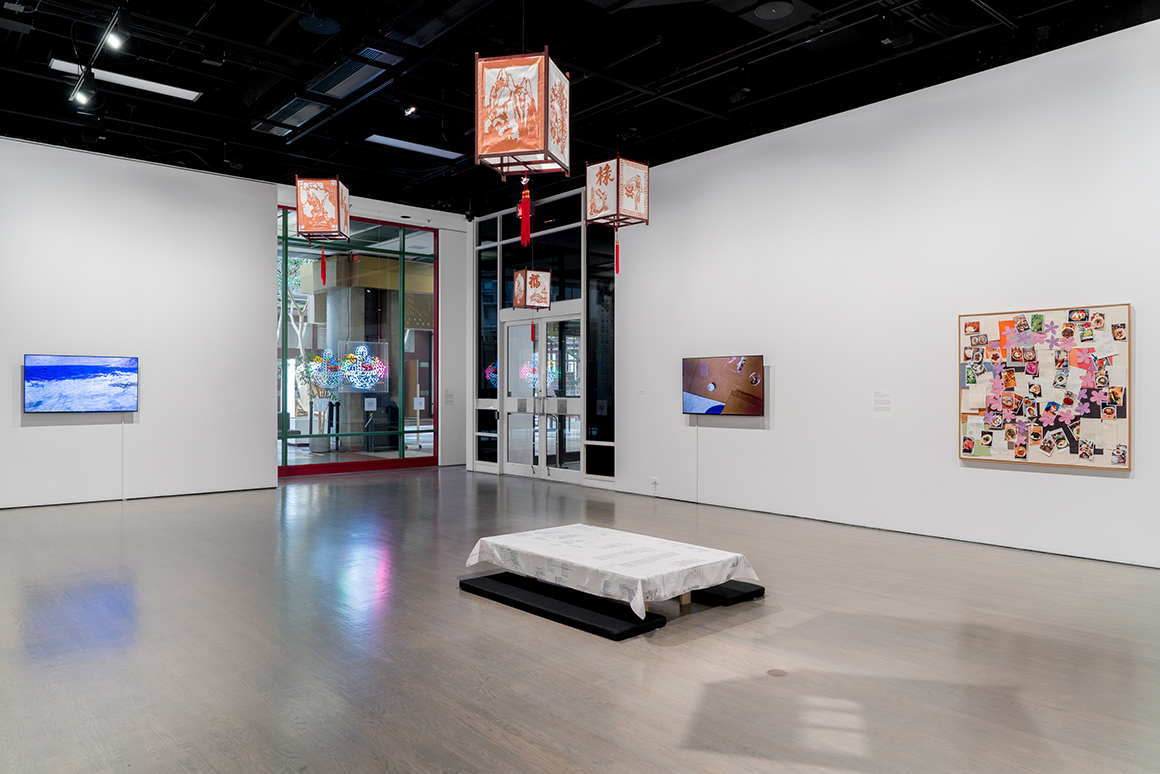
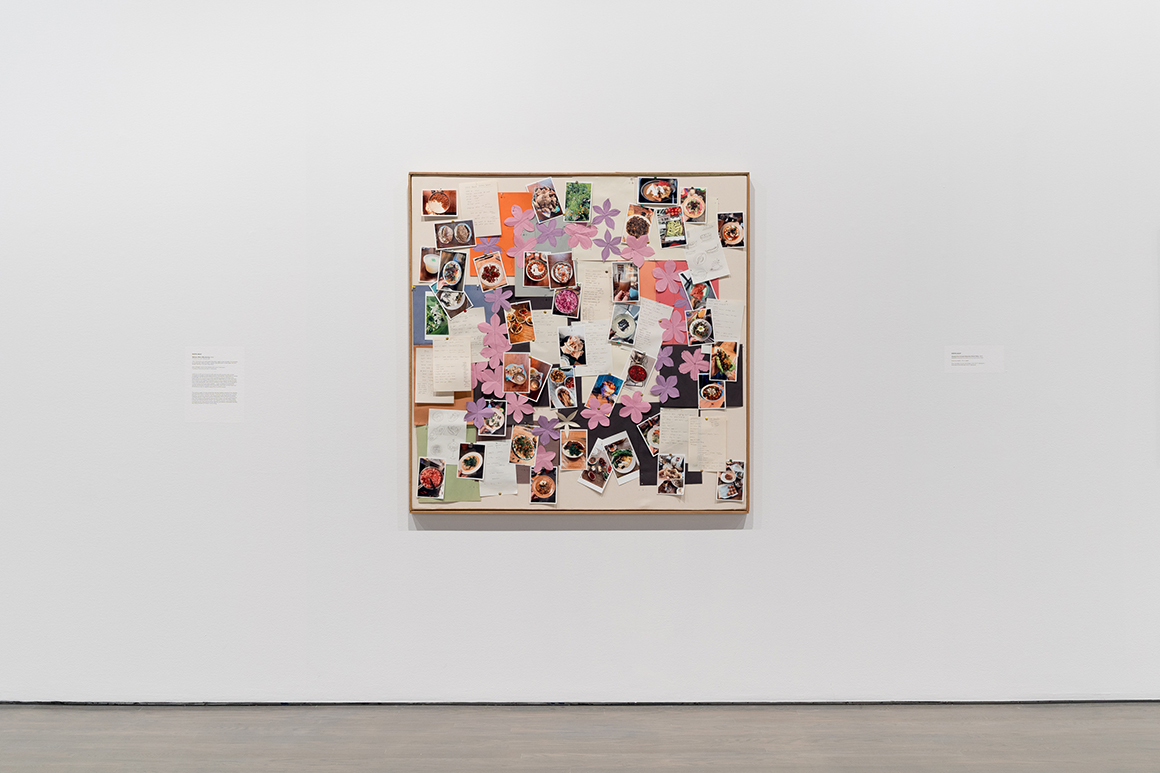
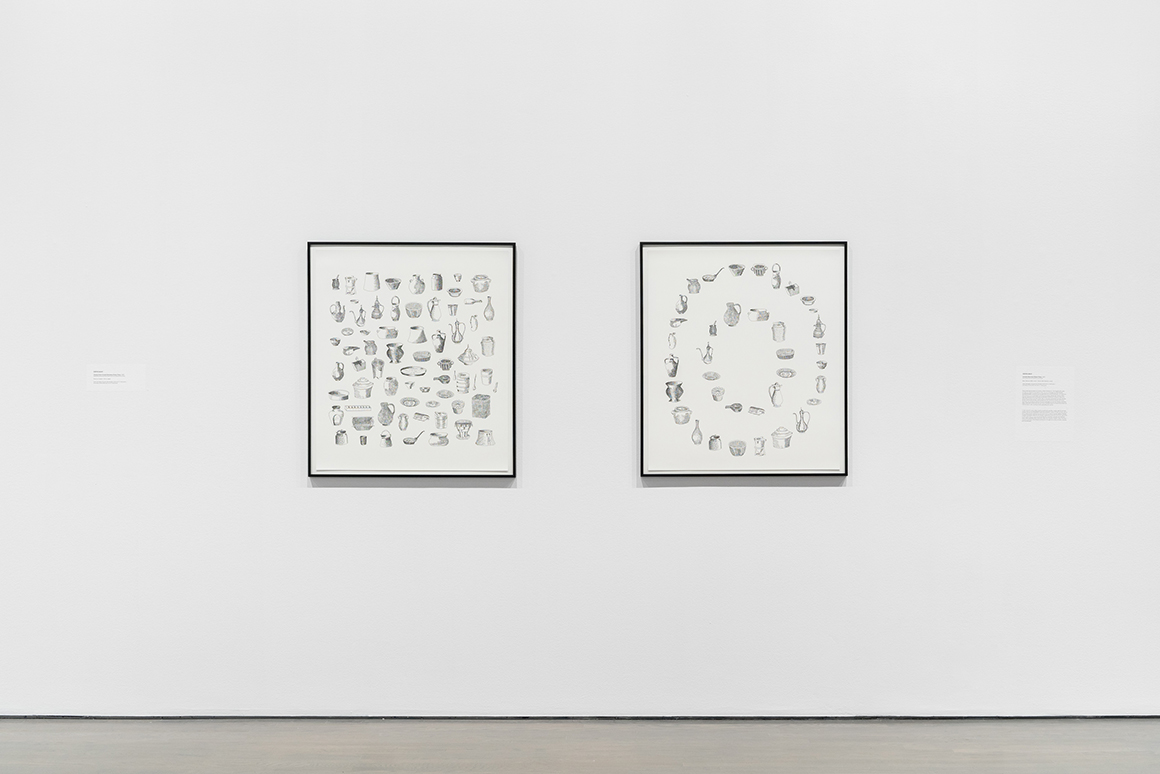
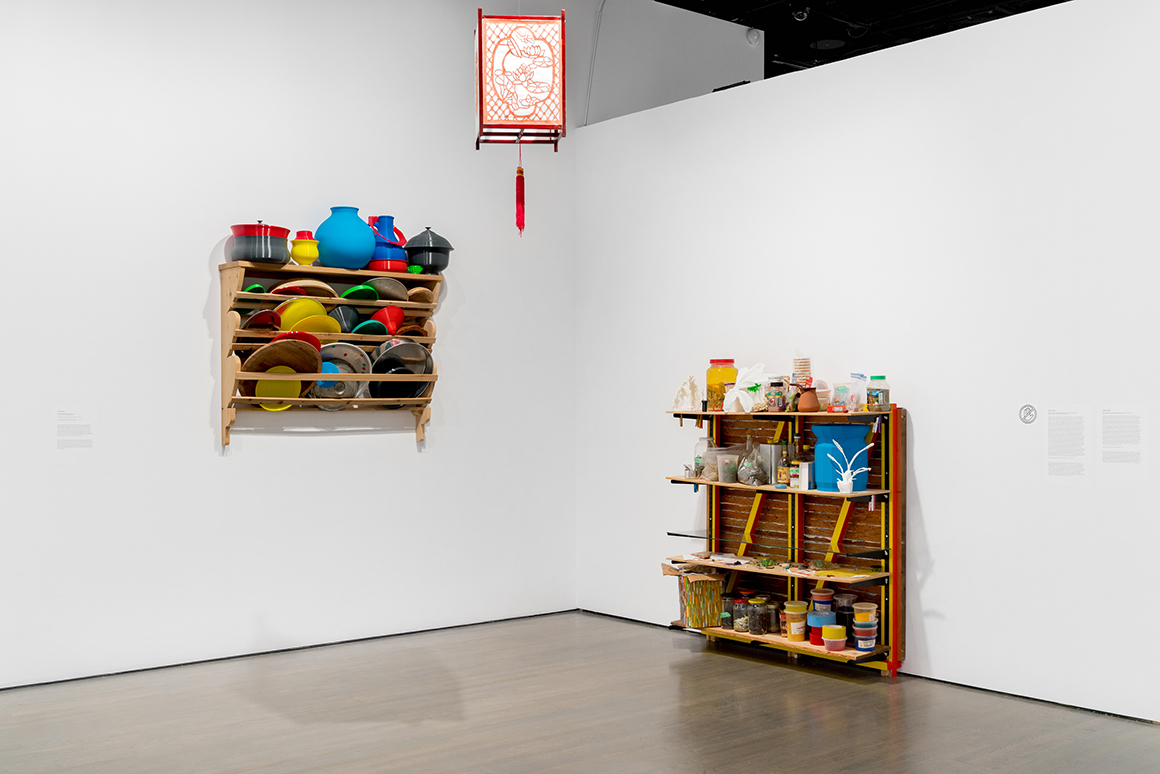
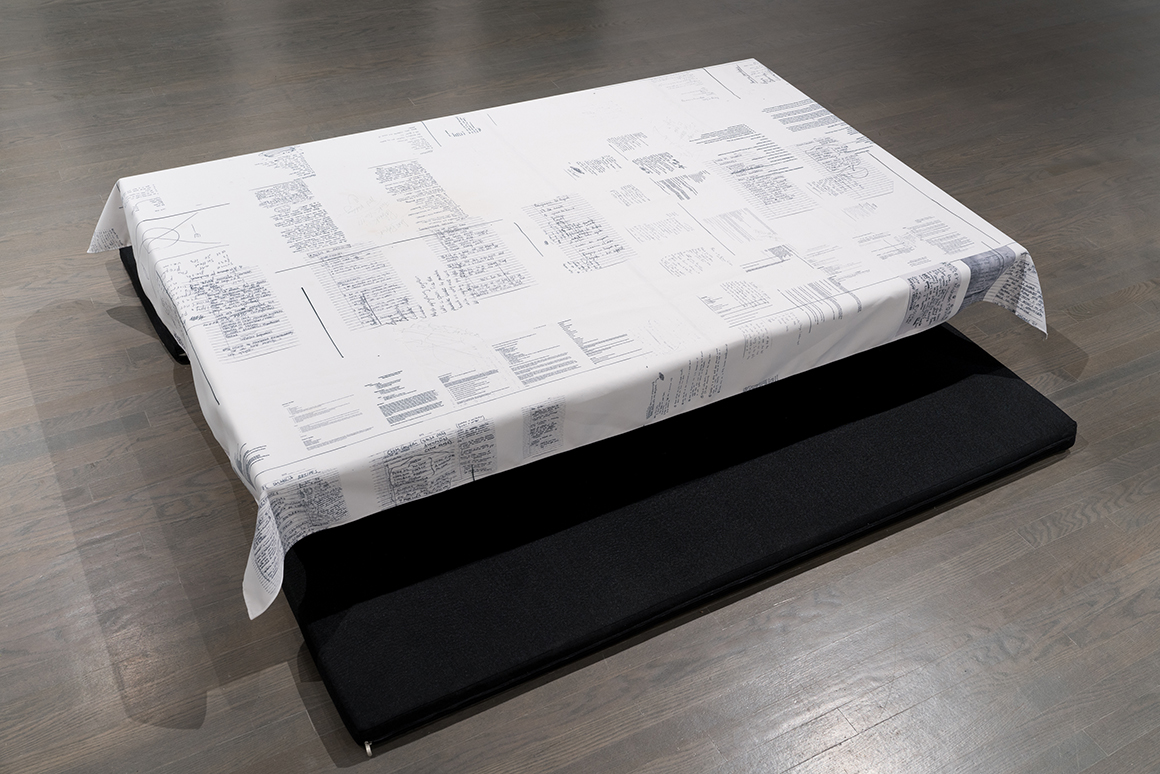
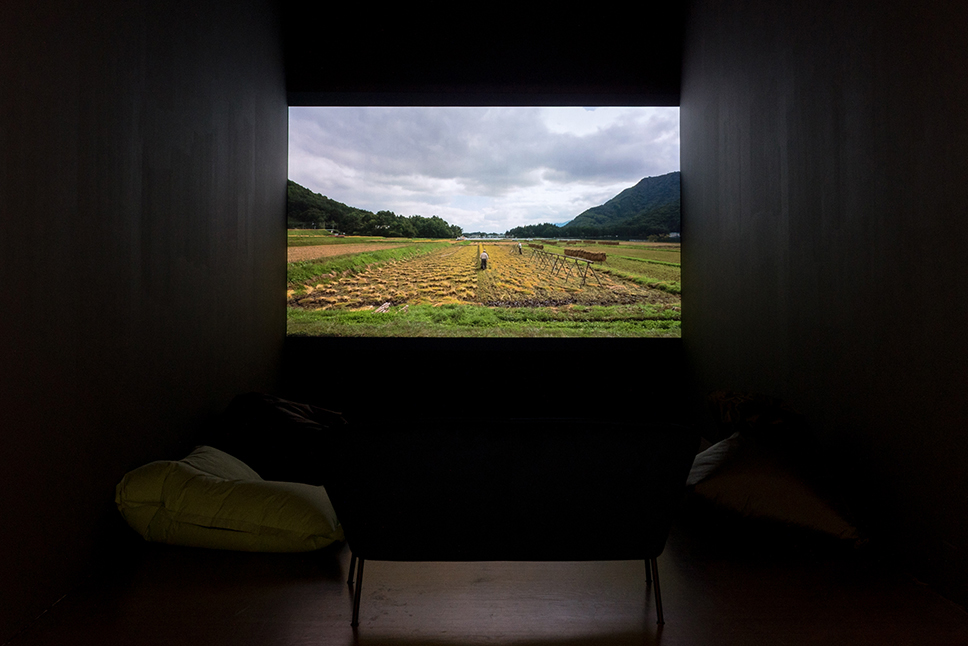
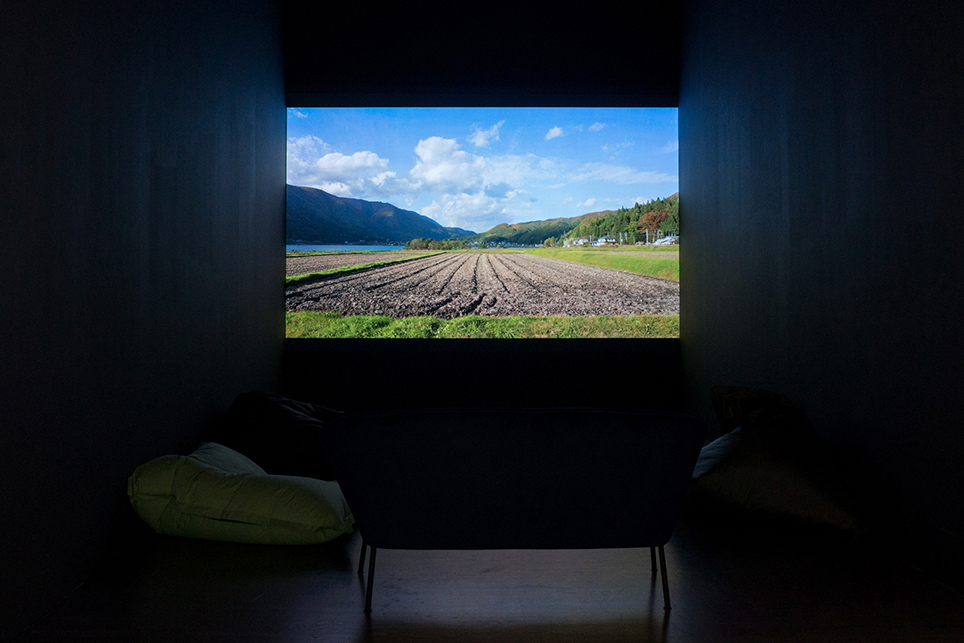
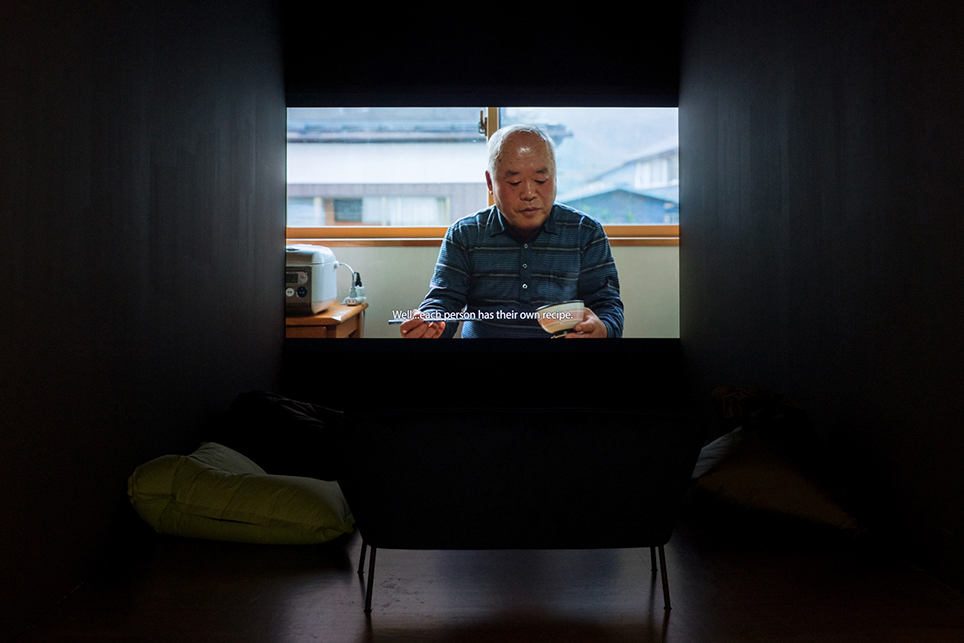
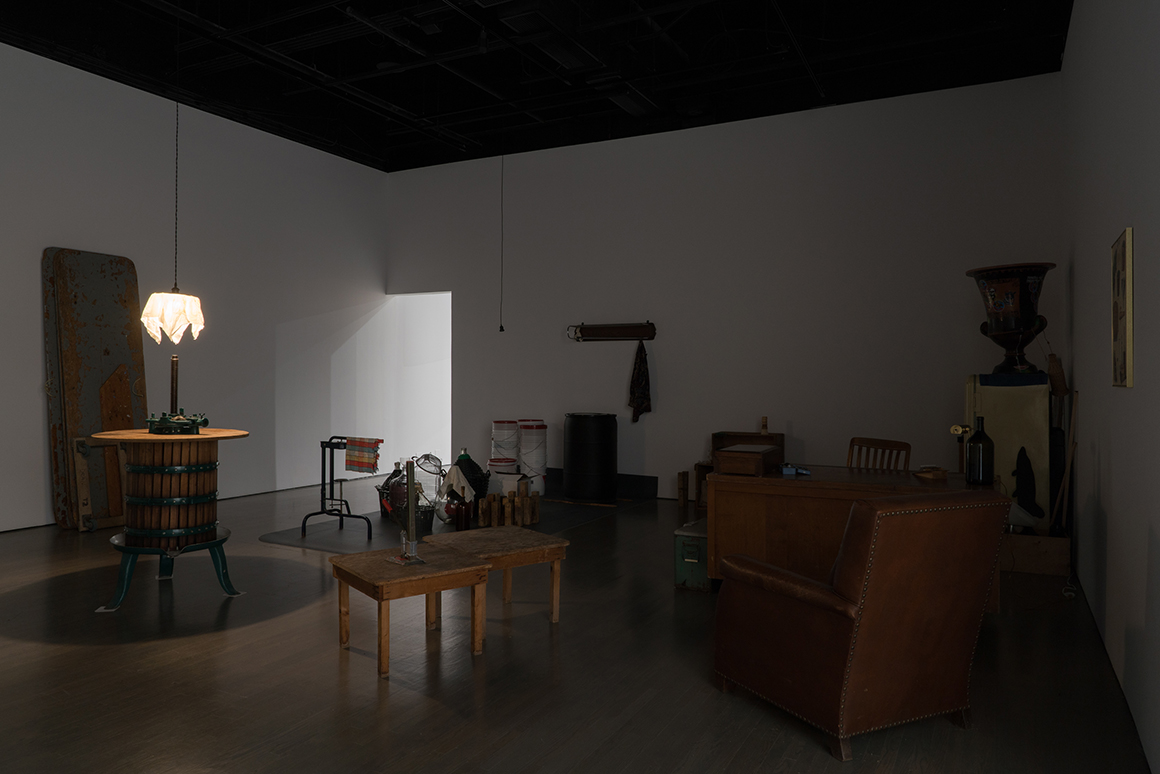
Read moreArtist and cook Derya Akay’s vibrantly coloured installation gives generous insight into the eclectic research bubbling through the creation of their menus. Both a documentation of hospitality and culinary know-how, Patrick Cruz’s tablecloths are inscribed with a collection of handwritten recipes and hold the traces of past meals shared with different communities. Whether depicting the making of a traditional Korean banquet dish or the growing and harvesting of rice, Ellie Kyungran Heo’s fascinating documentaries are deeply sensory reminders of what it takes to put food on the table. Using grapes grown in the Niagara region, artist, host, and gourmand Dean Baldwin Lew transforms the Gallery into a convivial space, whose ambience will shape ongoing processes of fermentation and sociality.
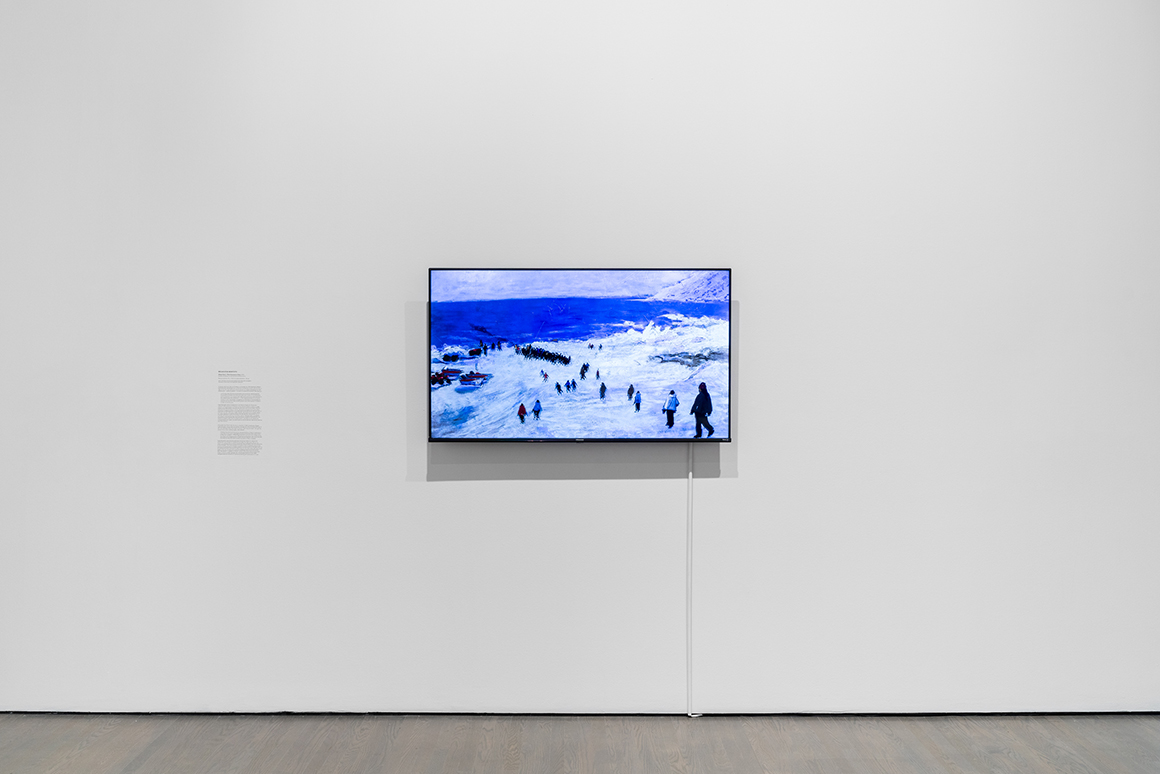
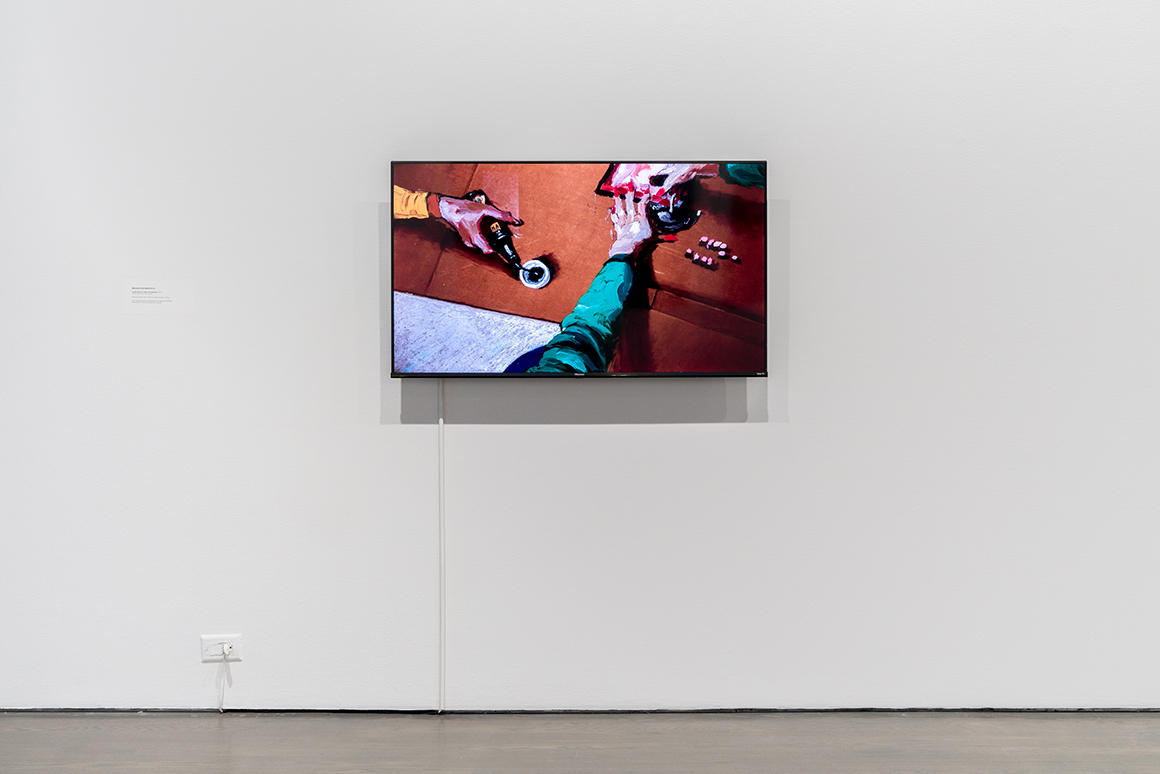
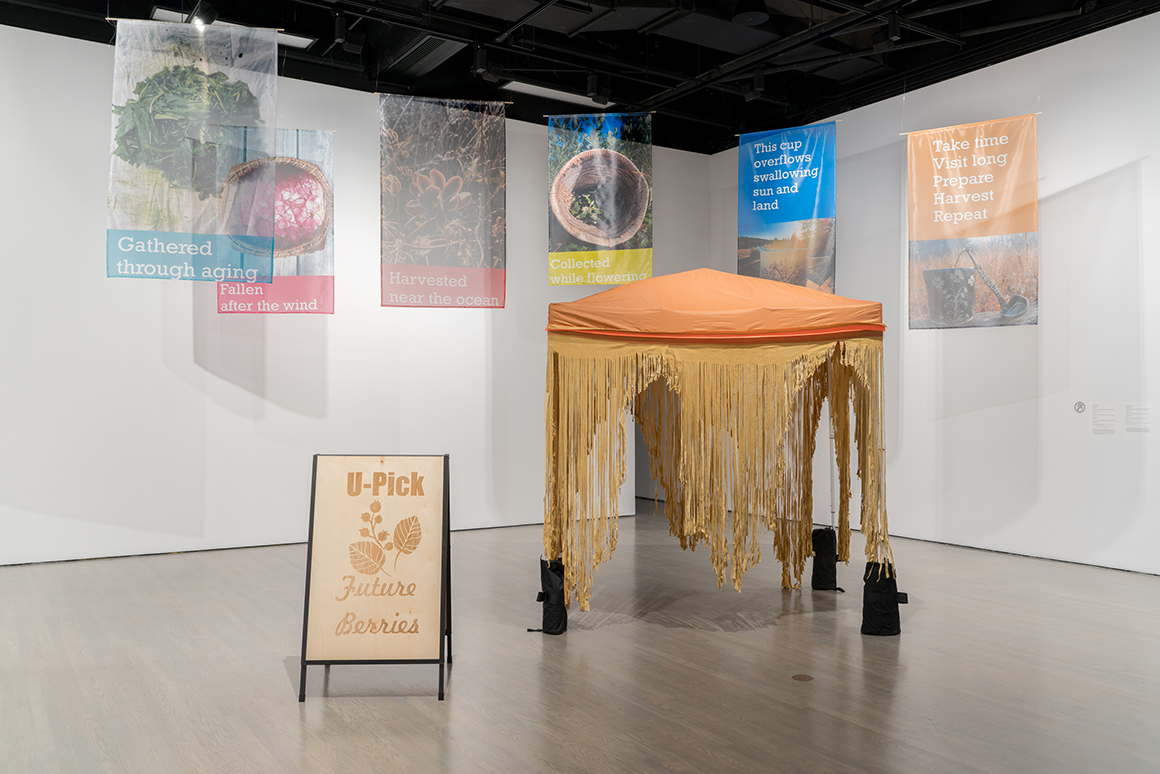
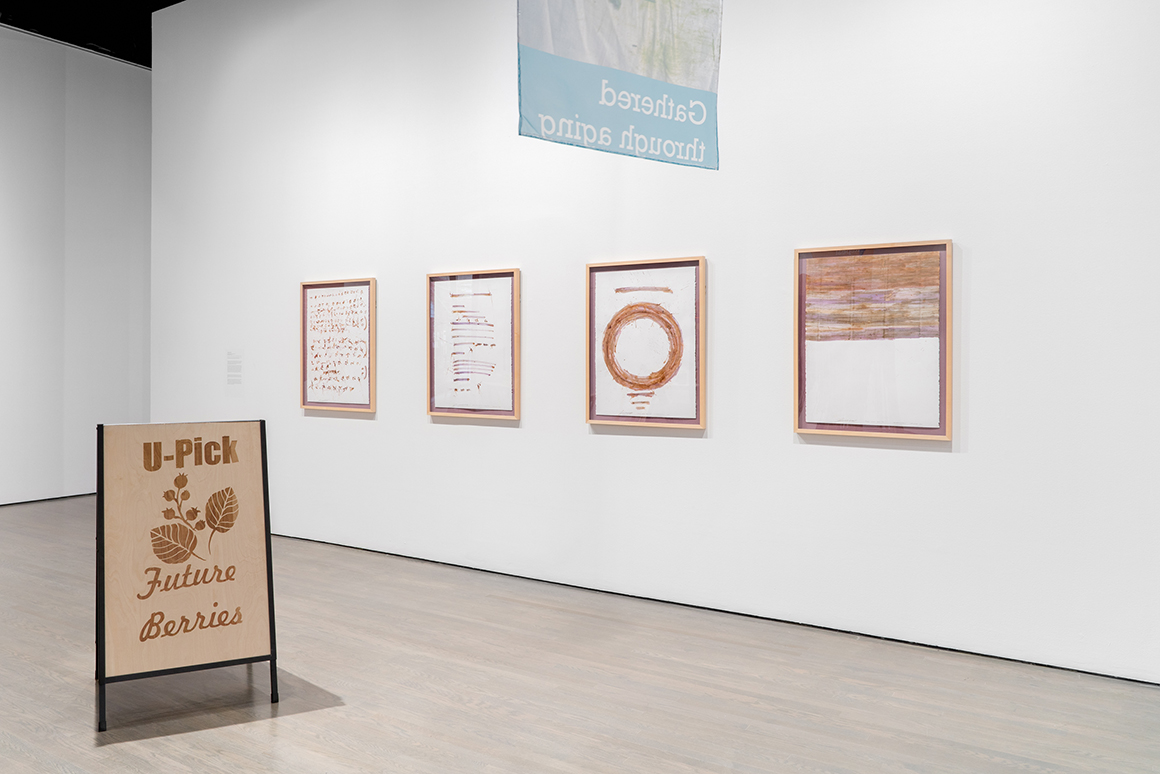
Kosisochukwu Nnebe explores the history of the banana and its links to colonisation and enslavement of people from the African continent. Pastiching everything from chinoiserie to racist cartoons, Karen Tam’s One Hundred Blossoms Lanterns sheds light on the Orientalist tropes found in the decor of old-school Chinese restaurants across Canada. Artist, curator, teacher, mother, and garlic farmer Tania Willard’s installation potently manifests her commitment to Indigenous resurgence and food sovereignty. Tapping into childhood memories, Megan Kyak-Monteith uses painting and stop animation to show the importance of the whale hunt for a small Inuit community in tender scenes both sweeping and intimate.
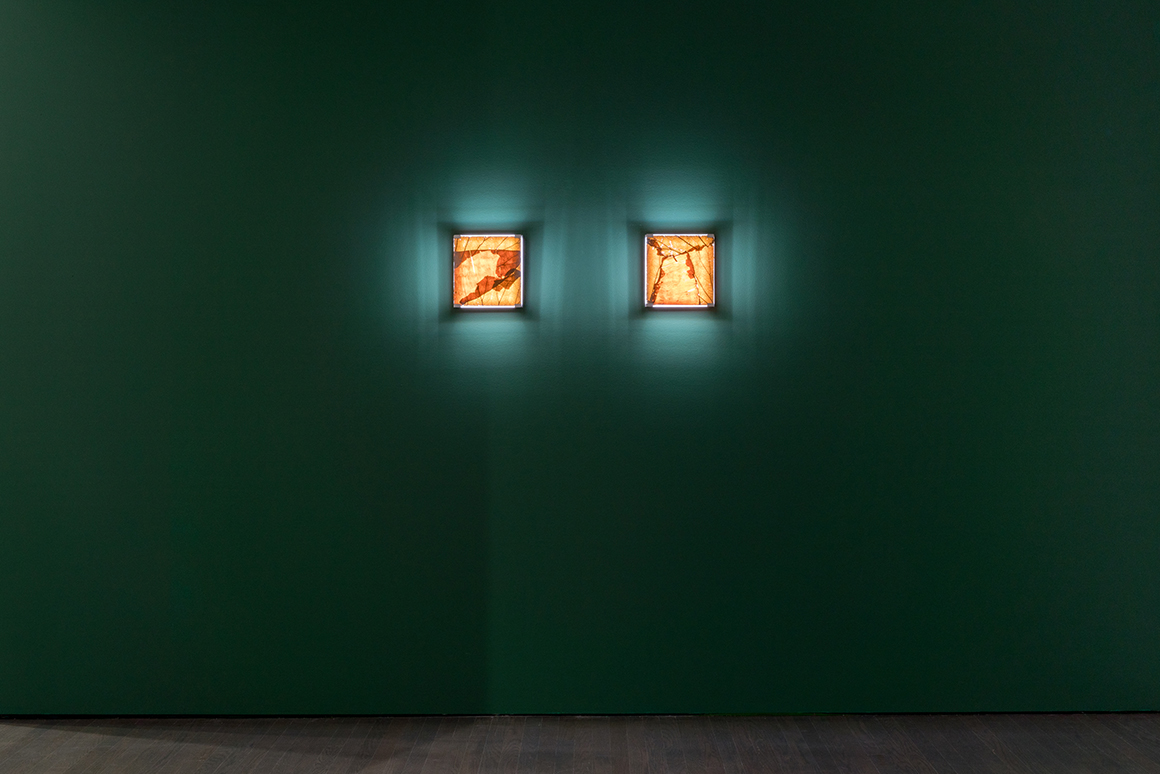
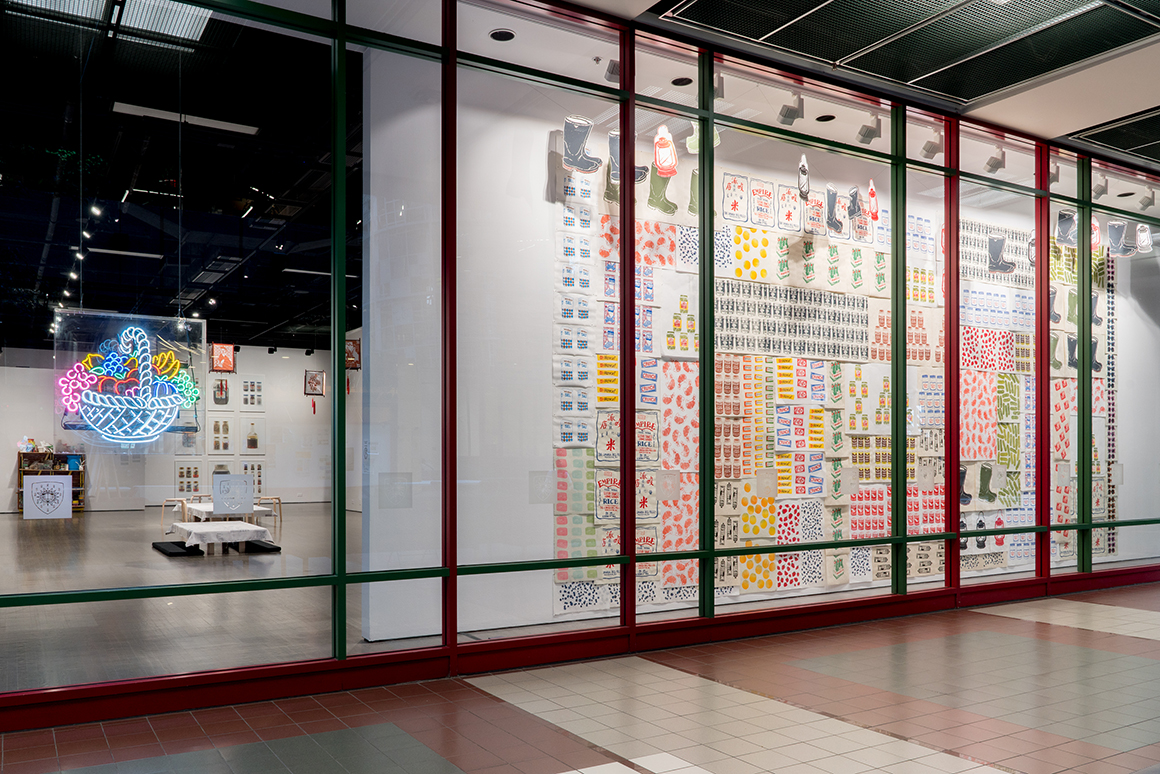
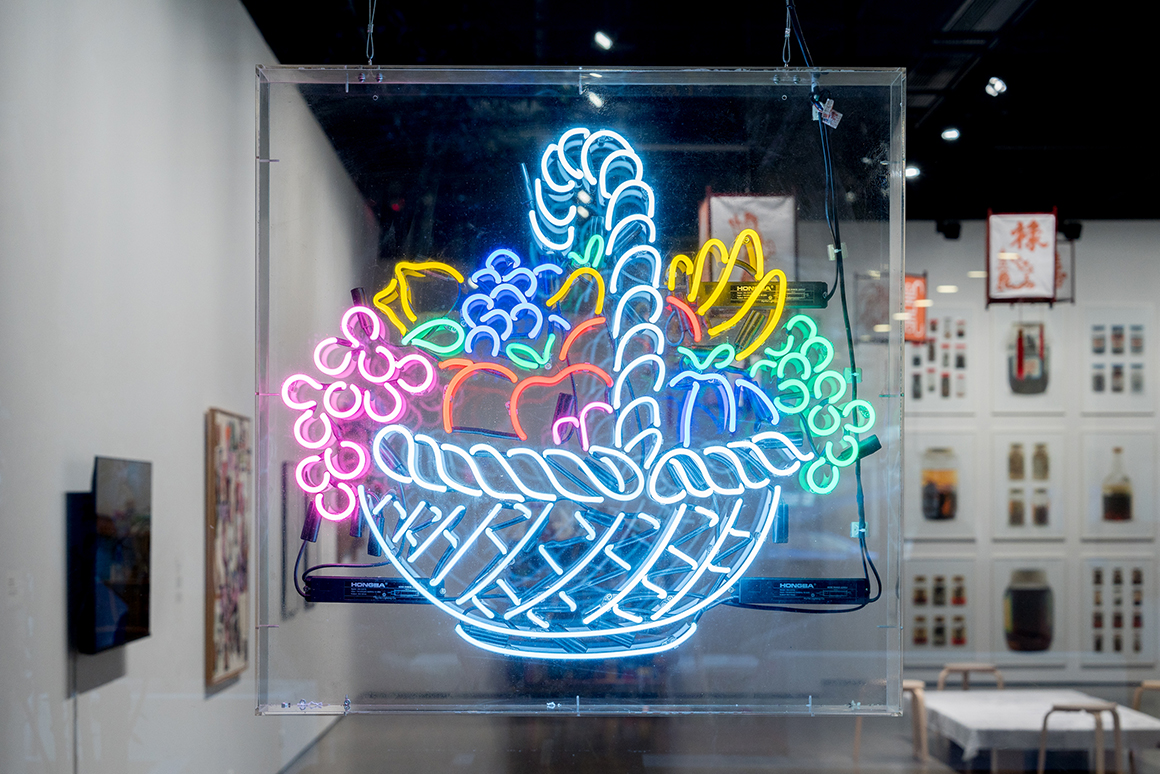
Sara Angelucci’s nocturnal photographs reveal intimate glimpses of the unruly, entangled plant and animal life in her garden in Ontario and the fields and forests of her ancestral village in Italy. Paul Wong honours the skills, knowledge, and frugality of his mother by documenting a selection of Chinese herbs and tinctures that she preserved in recycled mayonnaise and coffee jars. Marlene Yuen makes the now closed Hong Wo General Store in the neighbourhood of Steveston, BC, vividly come alive in our imaginations with her Pop-inflected relief and screen prints of the groceries sold by this iconic shop. In her Bigger and Better than Ever neon works, Shellie Zhang pays tribute to the many immigrant mom-and-pop fruit and vegetable neighbourhood shops that spill out onto Toronto’s bustling Danforth Avenue, serving and creating community.
i Luce Giard, “The Nourishing Arts,” The Practice of Everyday Life, Volume 2 (Minneapolis/London: University of Minnesota Press, 1998), p. 151.
CloseThe exhibition FOODWAYS was first presented by the Richmond Art Gallery in 2024.